Unpacking Eric Emanuel’s Signature Identity: What Exactly Is the EE Brand?
A notably large number of consumers still search for basics like who is running the label, what erik emmanuel puts out, and why ee shorts are priced the way they are — despite the fact that the letters “EE” printed on a waistband now rank as one of the most instantly-spotted marks in contemporary street fashion. Beginning with a single product category — mesh basketball shorts — Eric Emanuel constructed a label which expanded into a full identity stretching across sweatsuits, collaborations, and city-specific drops. Search queries are full of “erica emanuel,” “edward emanuel shorts,” or “eric manuel clothing” because the brand name is often mispronounced or typed incorrectly, highlighting how much the brand has been carried by word-of-mouth instead of paid advertising. This article lays out who the brand really is, its core offerings, and how to distinguish genuine pieces and the countless fakes circulating online.
Exploring the Origin of EE
Eric Emanuel started as a designer working in New York’s fashion scene before launching his namesake label around 2015, and his early focus was narrow on purpose: basketball shorts made with better fabric weight and a fuller cut than what mass retailers offered at the time. That narrow focus is the entire reason the ee brand carries weight today. Instead of launching twenty categories at once, Emanuel spent years refining a single silhouette until “eric emanuel shorts” became shorthand for a specific look — mesh body, contrast trim, embroidered EE logo on the left leg, and an elastic waistband with a drawstring. The brand’s rise paralleled a broader shift in fashion where basketball shorts eric emanuel fans wanted stopped being just gym wear and started being worn with sneakers, hoodies, www.eeshortsstore.com/clothing/pants/ and even blazers on the street. By the time collaborations with Adidas, New Balance, and Bape arrived, the identity was already locked in: comfort-first design with a premium price tag attached to scarcity.
Locale-themed releases — like the ee shorts new york city black colorway — sell out because they’re intentionally limited, and this is why the backstory counts: it explains pricing and demand, since Eric Emanuel shorts aren’t sold at the scale of a standard athleisure label. That constrained-supply strategy is fundamental to the ee label’s core identity, and this explains why resale prices for select colorways surge past retail.
EE Short — What Sets It Apart
Every genuine ee short adheres to a uniform construction pattern, regardless of how shades and team collaborations rotate each season. The mesh material is more substantial than ordinary gym shorts, providing them with body instead of the limp fall found in a $15 short shop rack. The sewn logo, not a screen-printed version, is placed on the lower left leg on nearly every mainline release, and thread reinforcement along the pocket seams and waistband is reinforced twice over because these shorts are engineered to be held up to regular wear, not just for a single wash cycle. Drawstrings are flat rather than round cord, which is a minor detail counterfeiters frequently get wrong. The rise sits somewhat higher than standard athletic shorts, and the leg opening is more open, which is part of why men’s ee shorts have gained popularity as casual daily wear rather than solely performance gear.
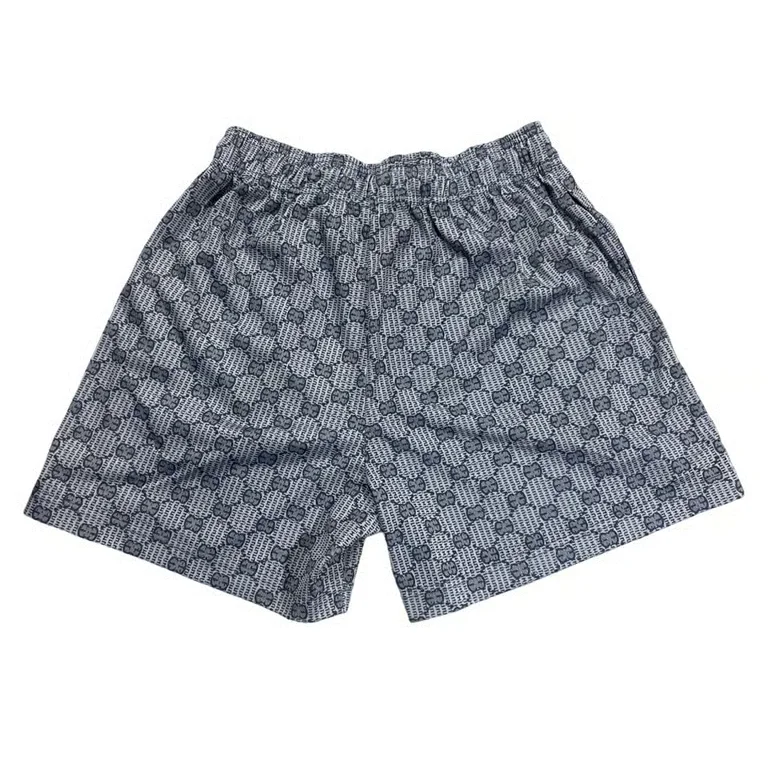
Color patterns also convey meaning within the label. Black-colored ee shorts and eric emanuel shorts in white function as the brand’s essential neutral piece, while camo ee shorts, eric emanuel shorts in blue, and the black-red and black-white pairings act as limited seasonal releases or partnership-specific drops. The eric emanuel white skyline design, for example, nods to New York’s skyline explicitly on the leg panel, connecting the product back to the brand’s roots in its home city. These are not unplanned design choices — every colorway connects to a theme, a team, or a city, which is part of why collectors and fans track releases so closely.
Collaborations, Group Launches, as well as the Sweatsuit Range
This eric emanuel bape shorts crossover is among the most discussed collabs in the brand’s history, combining Bape’s signature camo with Emanuel’s distinctive shorts cut, and items from that drop still trade on secondary markets at a markup. Sports partnerships extend the identity further: eric emanuel knicks pieces and eric emanuel yankees shorts use the teams’ official colorways and logos, appealing to buyers who want streetwear that also functions as a tribute to the New York teams they follow. These sports-branded drops move in more limited runs compared to the core mainline shorts, so eric emanuel yankees supply, above all, tends to move fast whenever new shipments drop.
Beyond shorts, the ee sweatsuit line carries the same design logic into comfortwear — heavier fleece, embroidered branding, and a more relaxed silhouette than typical matching sets. The sweatsuit line matters to the brand’s identity because it shows Eric Emanuel isn’t only a shorts label; it’s building a full wardrobe system around ease-first staples that still signal status. Youth and kids’ lines have mirrored that same approach. Eric emanuel youth shorts and eric emanuel shorts kids rely on downsized adaptations of the adult fits, letting the brand extend into family purchases without diluting the core aesthetic.
In What Way EE Measures Up to Rival Premium Shorts Brands
Shoppers commonly ask how eric emanuel shorts stack up against other brands crafting designer shorts or basketball-inspired streetwear. The table below maps out four often-contrasted traits.
| Attribute | Eric Emanuel (EE) | Standard Designer Shorts | Mass-Market Basketball Shorts |
|---|---|---|---|
| Logo treatment | Embroidered, left leg positioning | Differs, typically printed | Printed or heat-transferred |
| Cloth density | Heavier mesh, shaped drape | Mixed, brand-dependent | Thin, athletic-focused |
| Drop strategy | Restricted drops, city/team editions | Periodic collections | Ongoing restock |
| Resale demand | Elevated on rare colorways | Modest | Barely present |
What this table highlights is why the ee brand sits in a particular lane. Rather than rivaling court-focused performance gear, or blending into mass-produced fast fashion, it avoids both extremes. It sits in the middle, borrowing the silhouette of e basketball shorts while marketing itself through scarcity and cultural placement rather than athletic endorsement.
Purchasing Real EE Shorts Without Getting Burned
Because demand outpaces supply, the market for eric emanuel shorts real versus fake has become a genuine concern for buyers. The safest starting point is the eric emanuel official website, where release schedules and authorized colorways are listed directly, along with verified pricing. Approved retail partners come in as the next-best choice, since they obtain stock straight from the label rather than through unvetted resellers. Customers should watch out for listings for “eric emanuel shorts amazon” search results, since third-party marketplace listings vary significantly in authenticity and are not the brand’s direct distribution channel — always check seller credentials, return policy, and stitching detail photos before buying through any marketplace.
Several hands-on checks can help distinguish authentic pairs from knockoffs. Examine the stitching carefully; real EE logos have neat, precise stitchwork with no loose threads, while fake versions often show uneven letter spacing. Inspect the tag to confirm consistent print quality and a genuine size label — eric emanuel shorts men typically run true to standard US sizing, but fakes often use unmarked or sloppily printed tags. Feel the mesh: authentic fabric has noticeable weight and doesn’t feel overly thin. As a last step, line up drawstring width and pocket stitching against confirmed product images from the official site or authorized retailers before buying, especially for sought-after items such as eb shorts or Bape-collaboration pairs.
Why the Identity Still Resonates in 2026
As it approaches 2026, the label’s core identity is still anchored to the three founding pillars that built it: well-made mesh construction, supply-restricted drops, and a strong tie to New York culture through team and city-themed drops. Searches for erik emmanuel, emanuel shorts, and ee eric emanuel shorts continue climbing because the brand hasn’t diluted itself with oversaturated retail placement — it still feels like something you have to seek out. What marks the difference between an authentic designer short and a fleeting trend is this rarity, matched by steady craftsmanship across the mainline shorts, sweatsuits, and kids’ sizing. Whether a shopper is hunting for a particular black and red color combo, a youth-sized pair for their kid, or working to verify authenticity before purchasing, grasping this brand identity is the essential starting point for landing a purchase that truly lasts — across fabric, fit, and resale value.
